
Hard, shiny black deposits on firebox walls or visible in the flue
Locally Operated — Charlotte, NC
Professional Creosote Removal for Charlotte Fireplaces
Charlotte Air Duct Cleaning & Chimney Sweep Services provides targeted creosote removal for residential fireplaces and chimneys throughout Charlotte and the surrounding area. Our service assesses the type and severity of creosote buildup in your flue, applies appropriate removal techniques, and ensures your chimney is clean and clear before your next fire.
Warning Signs You Need This Service
Don't wait until a small problem becomes a large one. These are the most reliable signs that your home needs attention.
Campfire smell inside the home — especially noticeable in summer
Fireplace used frequently during cold season without service
Prior owner or builder has no record of chimney cleaning
Smoke moves slowly or swirls in the firebox rather than drafting cleanly
Why Homeowners Call Us
Common Problems We Solve
These are the situations that bring Charlotte homeowners to call us. If any of these sounds familiar, it may be time for a professional inspection.
Glossy black or tar-like deposits visible in the flue
Strong campfire or wood smoke smell in the home
Frequent wood-burning use without annual chimney service
Smoke odor intensifying during hot, humid summer days
Unknown chimney maintenance history from a prior owner
Heavy soot and ash residue coating firebox surfaces
Why This Service Matters in Charlotte
Creosote accumulates inside the flue when smoke from a wood-burning fireplace cools before fully exiting. Charlotte's mild climate creates a specific problem: many homeowners run low, smoldering fires — exactly the burning pattern that produces creosote most rapidly. Stage 1 creosote (light, dusty) is removed easily with standard sweeping. Stage 2 (flaky, crunchy) and Stage 3 (hard, glazed) require specialized tools and technique. Left unaddressed, heavy creosote buildup restricts draft performance and creates a potential fire risk.
Creosote removal is frequently needed in wood-burning homes across Myers Park, Dilworth, Mint Hill, Matthews, South Charlotte, and NoDa — neighborhoods with active fireplace use during Charlotte's cooler months.
Our Process
A Clear, Documented Appointment
No work begins before you understand exactly what we found and what it will cost. Every appointment follows this structure.
Visual assessment of firebox and accessible flue to evaluate creosote level and type
Protect fireplace area with drop cloths and professional vacuum equipment
Select appropriate removal tools based on deposit type and severity
Use rotary brushes, flue-sized sweep sets, or specialized rotary tools for glazed deposits
HEPA vacuum all removed material during and after the process
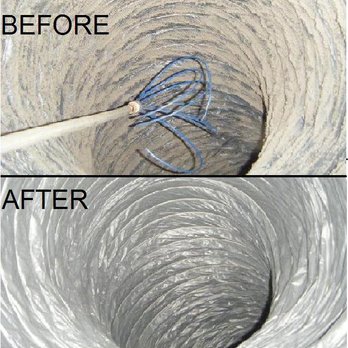
Document before and after conditions
Explain findings, removal results, and prevention recommendations
Service Benefits
What This Service Does for Your Home
Removes combustible creosote deposits from flue surfaces
Restores flue to clean operating condition
Reduces chimney odor caused by creosote and residue buildup
Documents current flue condition before and after service
Supports more consistent draft performance after removal
Recent Charlotte Jobs
Work Completed in Charlotte Neighborhoods
South Charlotte
Rea Farms subdivision
Problem: Homeowner reported visible dust blowing from supply vents and musty odor when th…
Result: Significant dust and debris removed. Homeowner noted improved airflow and reduce…
NoDa
Historic arts district bungalow
Problem: Masonry fireplace hadn't been used in two seasons due to strong campfire odor dr…
Result: Moderate creosote and debris removed. Odor source identified and treated. Firepl…
Dilworth
Craftsman-style residential
Problem: Laundry room overheating during cycles; dryer taking 2–3 runs to dry a standard …
Result: Blockage cleared. Drying time returned to normal single-cycle performance. Overh…
Ballantyne
Stonecrest community
Problem: Cracked chimney crown allowing water infiltration during Charlotte's heavy sprin…
Result: Crown sealed and water entry stopped. Follow-up inspection confirmed no further …
Related Services
Other Services We Provide in Charlotte
Air Duct Cleaning
Remove dust, pollen, pet dander, and debris from residential duct systems for cleaner airflow and a healthier indoor environment.
Learn moreChimney Sweep
Clear soot and creosote from fireplaces and flues to support safer, cleaner burns and improve fireplace performance.
Learn moreChimney Inspection
Evaluate visible chimney components, flue condition, moisture signs, and safety concerns with a documented report.
Learn moreChimney Repair
Repair damaged masonry, crowns, caps, flashing, smoke chambers, and other structural chimney components.
Learn moreDryer Vent Cleaning
Remove lint buildup from dryer vent lines to improve airflow, reduce drying times, and prevent overheating.
Learn moreFireplace Cleaning
Clean fireboxes, accessible fireplace areas, soot staining, ash, and residue from regular use.
Learn moreHave Questions?
Creosote Removal Charlotte NC — Frequently Asked Questions
8 questions answered for Charlotte, Matthews, Huntersville, Concord, Mooresville, Gastonia, Fort Mill, and Rock Hill homeowners.
Creosote is a combustible byproduct of wood combustion. When smoke containing unburned wood particles, tar vapors, and moisture cools as it rises through the flue, it condenses on the cooler flue walls as creosote.
No. Stage 1 is light and dusty — removed with standard brushing. Stage 2 is flaky and crunchy. Stage 3 is hard and glazed — the most difficult to remove and requires rotary tools or chemical treatment.
Charlotte's summer heat and humidity cause warm air to push down the chimney rather than up, carrying creosote and smoke odors into the living space. It's one of the most common summer chimney complaints.
You can slow accumulation by burning only dry, seasoned hardwood, using proper fire-starting technique to quickly bring the flue to operating temperature, and ensuring adequate combustion air supply.
Visible hard or glossy black deposits in the firebox, strong persistent odor, and smoke that moves sluggishly are reliable visual indicators. A professional inspection with a flashlight or camera provides a more complete assessment.
Stage 2 and Stage 3 creosote are combustible and can contribute to chimney fires. Stage 3 in particular is considered a serious concern and should be professionally addressed before further use.
Burn only properly seasoned hardwood — moisture content below 20%. Avoid smoldering, low-temperature fires. Use adequate firewood to maintain a hot, active burn.
Removing creosote buildup typically reduces or eliminates the associated odors. If odors persist after cleaning, moisture intrusion or draft problems may be additional contributing factors.
Locally Operated — Charlotte, NC
Ready to Schedule Air Duct Cleaning or Chimney Service in Charlotte?
Call for fastest response and same-day availability, or submit an online request. We provide a clear estimate before any work begins — no pressure, no surprises.